Wrenze Steel provides steel connection design for fabricators, contractors and consultants in Dubai, across the UAE and in the GCC. Connections decide whether a steel frame behaves the way it was analysed, and they account for much of the fabrication cost. We design bolted and welded connections, base plates and anchorage, and issue connection design calculations and sketches that your consultant can approve and your detailers can model.
Connection types we design
We design the full range of connections found in steel buildings and special structures:
- Simple shear connections: fin plates, flexible end plates and angle cleats for beams pinned to columns or to other beams
- Moment connections: extended and flush end plates, welded flange connections, and the eaves and apex haunches of portal frames
- Splices: bolted and welded column and beam splices, placed where they suit transport and erection
- Bracing connections: gusset plates for angle, flat and hollow section braces, and X-brace crossings
- Base plates: pinned and fixed bases with anchor bolts, shear keys and stiffeners
- Hollow section joints: truss, space frame and gridshell nodes
- Anchorage to concrete: new steel, handrails and glass parapets fixed to new or existing concrete
- Connections to existing steel: for extensions, mezzanines and added platforms
For an overview of how pinned, rigid and semi-rigid joints differ, read our guide to types of steel connections.
Moment connection design
A moment connection has to carry bending as well as shear, so it governs both the stiffness of the frame and the fabrication effort. We check bolt tension and prying, end plate bending, weld capacity, column web and flange resistance, and the need for stiffeners. Where stiffeners or haunches can be avoided by a small change to the plate or bolt arrangement, we say so, because each stiffener adds cutting and welding time.
Base plate design
Base plate design links the steel to the foundation. We size the plate, the welds and the anchor bolts for axial load, shear and moment, add shear keys where friction is not enough, and provide the reactions and the anchor bolt layout for the foundation designer. The base fixity we assume is the same one used in the frame analysis, so the steel and the foundations are designed to the same model.
Connection design calculations you receive
- A calculation report for each connection type, showing the design forces, the governing load combination and every check: bolts, welds, plates and the connected members
- Connection sketches or typical detail drawings with plate sizes, bolt sizes and grades, and weld sizes
- Base plate and anchor bolt layouts, with the support reactions for the foundation design
- Software output from IDEA StatiCa where a joint is checked with it
- A summary sheet for the detailers, so the approved connections go into the model unchanged
Codes and software
We design connections to AISC, British Standards or Eurocode, following the project specification. Complex joints with many plates or members are checked in IDEA StatiCa. Standard shear, moment and base plate connections are designed in RAM Connection and Limcon, with hand checks and our own spreadsheets for key results. The detailing that follows is done in Tekla Structures or Advance Steel.
How steel connection design work runs
- You send the design drawings, the member forces or reactions, and the specification.
- If forces are missing, we agree the design basis with the consultant before starting.
- We group the connections into types and select the governing forces for each type, which keeps the number of different details low.
- We design and check each type, then adjust plates, bolts and welds for economy.
- We issue the calculation report and sketches for the consultant’s approval.
- We answer the comments and hand the approved connections to the detailers.
Connections designed for fabrication
Our design philosophy puts fabrication cost next to strength. In practice that means fewer bolts per connection, fewer welded joints, simple details in place of complex ones, and as little site welding as the structure allows. We prefer shop-welded, site-bolted connections and repeat the same connection type wherever forces allow. The result is a set of connections that is quicker to fabricate, easier to erect and easier for the consultant to review.
Where connection design applies
- Fabricators who receive design drawings without connection design
- Contractors with design-and-build steel packages
- Consultants who need connection calculations checked or prepared for approval
- Architectural and exposed steel, pavilions and gridshells, where connections are part of the finished look
When the whole frame needs design as well, our structural steel design service covers members and connections together, and our shop drawings and detailing team takes the approved connections into the model.
Connection design projects
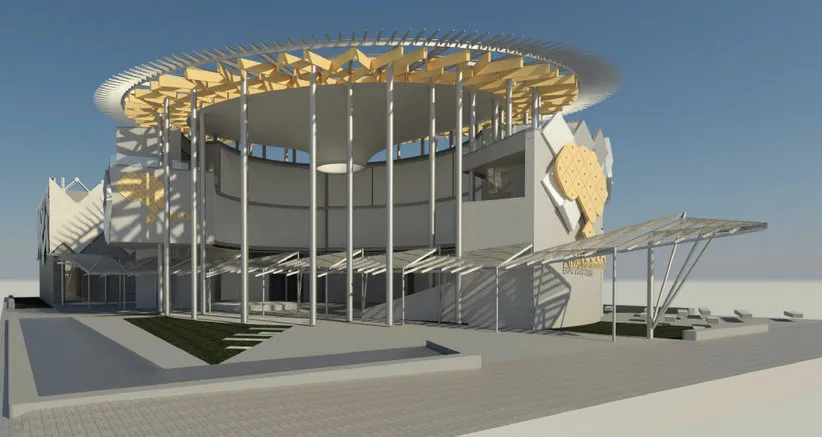
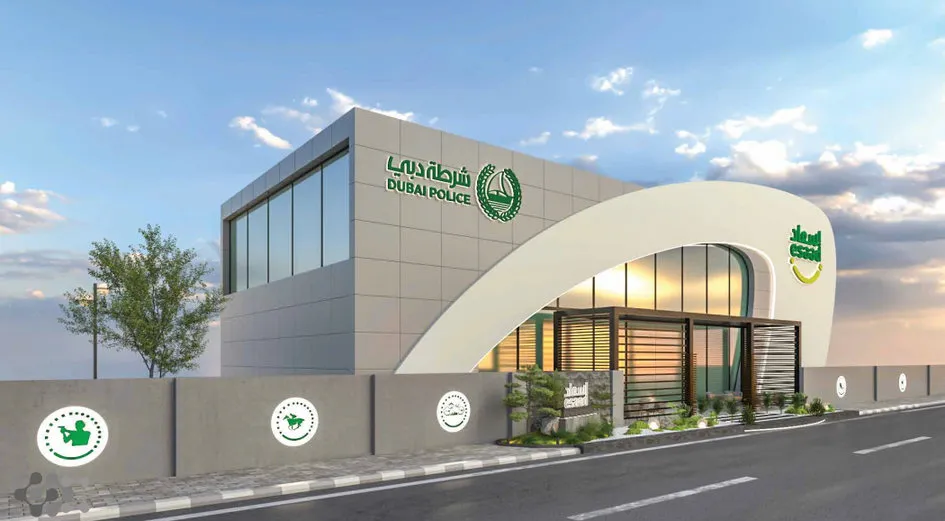
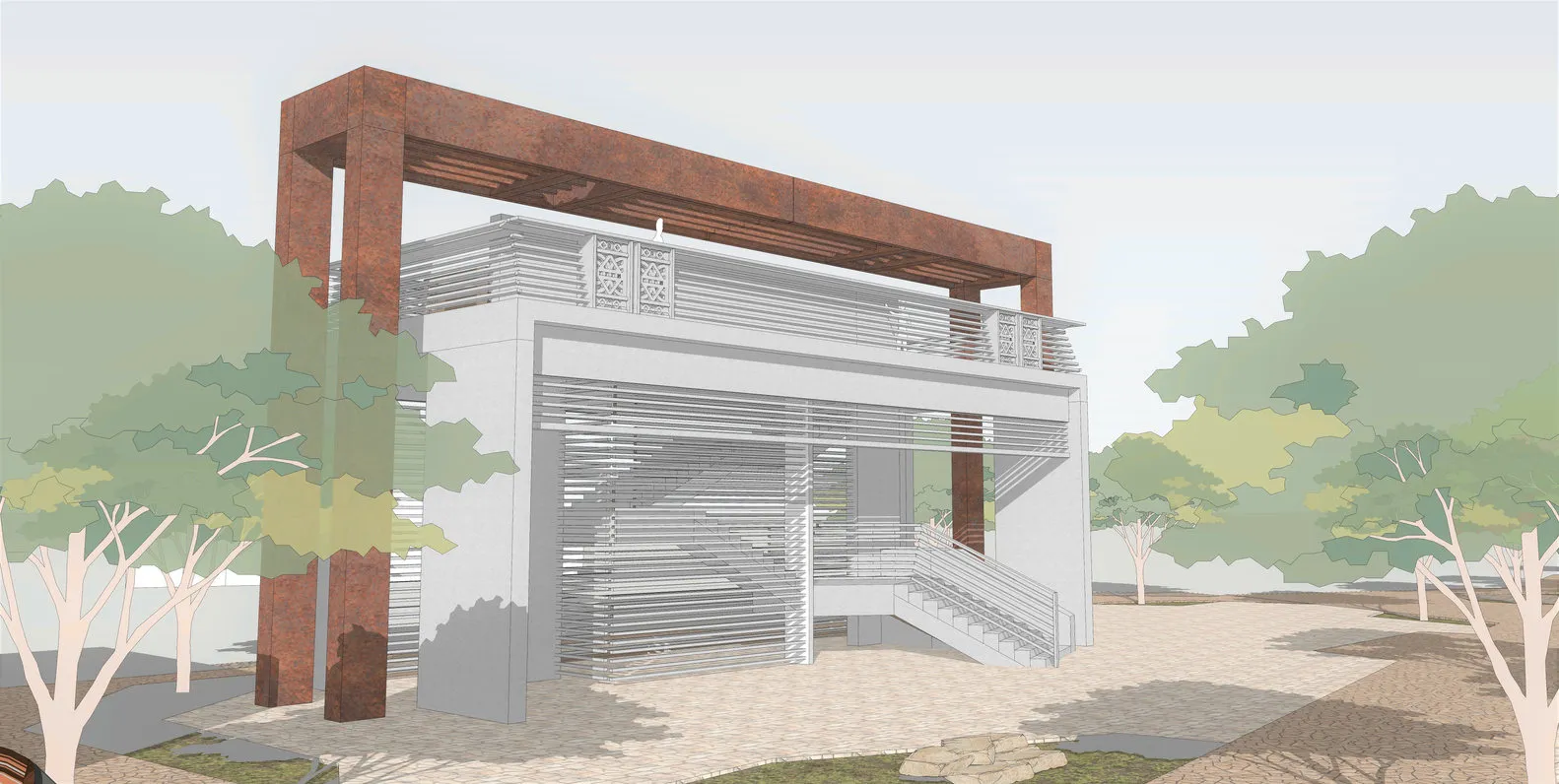
At Expo 2020 we designed the structural anchorage connections for the Brazil Pavilion, one of our Expo 2020 pavilion projects. Our scope on the Esaad Building for Dubai Police and on the Al Jazirat Al Hamra Heritage Village in Ras Al Khaimah covered structural design and detailing, connections included. We have also designed the connections of a gridshell in Dubai Media City for Summit Engineering Consultants, and the connections of a ticket office in Dubai for Hilaco Contracting Company.
Why work with Wrenze
- One team handles the structural design, the connection design and the detailing.
- Our connection reports are written for the reviewer: forces, checks and results in a clear order.
- More than 70 projects completed across the UAE and the GCC.
- Our office is in Dubai Silicon Oasis, and we deliver connection design across the UAE and the GCC.
Send your connections for design
Send us your design drawings and member forces through the request a quote form, and we will reply with the scope and fee. For other questions, contact our Dubai office.